
 1300 083 336

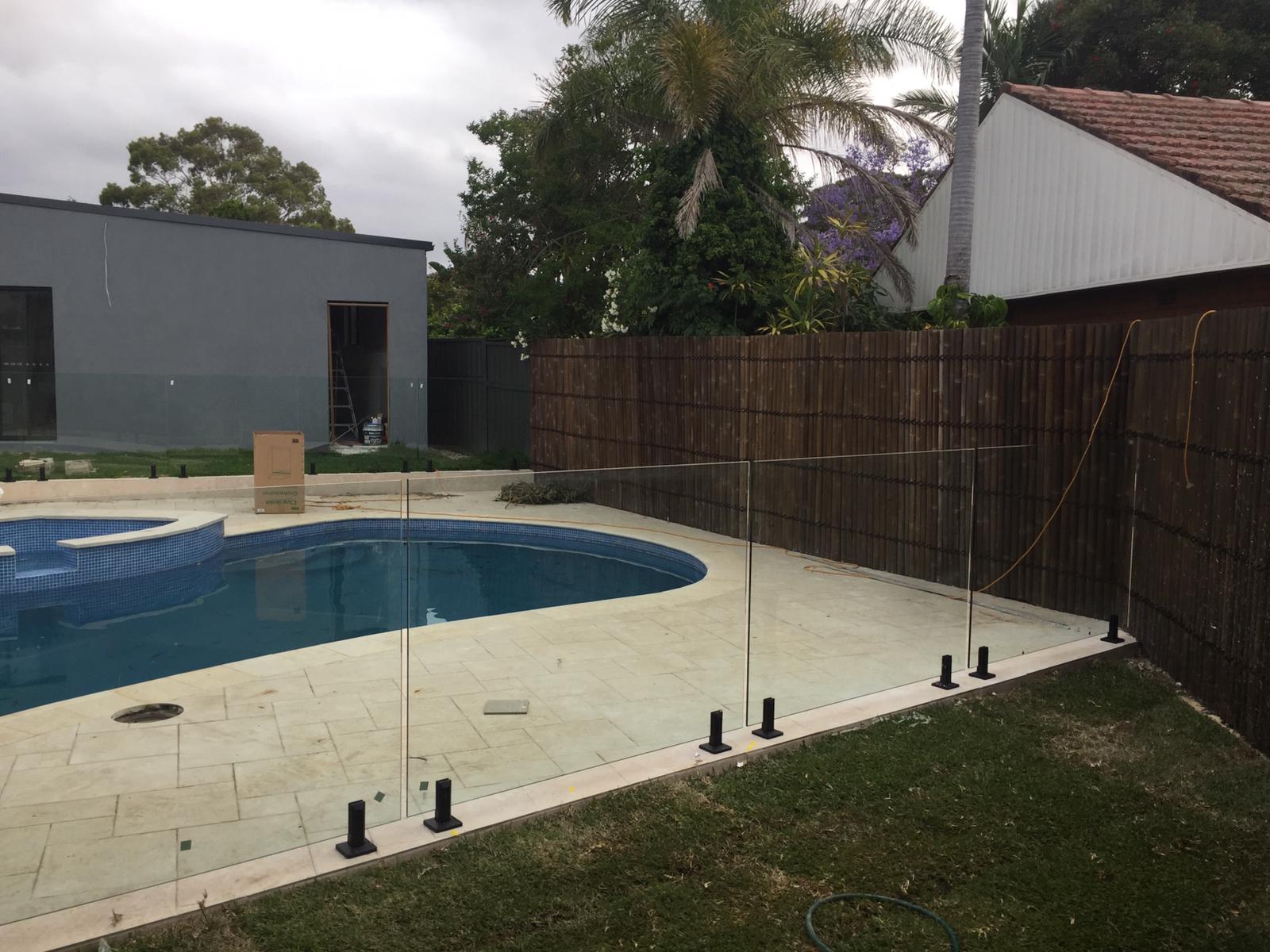
If you are selling or leasing a property with a swimming pool or spa in NSW, the pool needs the right certificate before the contract is signed. This checklist covers what you need, the most common reasons pool fences fail inspection, and how to get the paperwork sorted quickly in Sydney.
This is general information only. Pool barrier requirements depend on when your pool was built and which standard applies, so a licensed pool inspector will confirm what applies to your property.
What you need to sell a property with a pool in NSW
The contract of sale must include evidence the pool is registered on the NSW Swimming Pool Register, plus one of these documents:
- A valid certificate of compliance (valid for 3 years), or
- A relevant occupation certificate issued within the last 3 years, or
- A certificate of non-compliance.
If you sell with a certificate of non-compliance, the buyer has 90 days from settlement to fix the defects and obtain a certificate of compliance.
What you need to lease a property with a pool in NSW
Before leasing, landlords need a valid certificate of compliance or a relevant occupation certificate, and must give the tenant a copy. A certificate of non-compliance is not enough to lease a property.
Pool fence compliance checklist
These are the items most often checked during a pool inspection. Walk around your pool and check each one:
- Fence height: the barrier is at least 1200mm high, measured from the finished ground level outside the pool area.
- Gap under the fence: no more than 100mm between the bottom of the fence and the ground.
- Gaps between panels or palings: no gaps a small child could squeeze through.
- Non-climbable zone: nothing climbable within 900mm of the outside of the fence, such as pot plants, furniture, barbecues, retaining walls, trees or air-conditioning units.
- Gate opens away from the pool.
- Gate self-closes from any open position and self-latches every time, without being pushed.
- Latch height: the gate latch is at least 1500mm above the ground, or shielded so a child can’t reach it.
- Boundary fences used as part of the pool barrier are high enough and not climbable from the neighbour’s side.
- Doors and windows opening into the pool area meet the rules that apply to your pool.
- CPR sign is current, readable and displayed near the pool.
- Pool is registered on the NSW Swimming Pool Register.
The most common reasons pool fences fail
- Gates that don’t self-close or self-latch, usually from worn hinges, tired springs or a sagging gate.
- Items left in the non-climbable zone, such as pot plants and outdoor furniture.
- Gaps under the fence that have opened up as garden beds or pavers have settled.
- Loose, broken or missing panels and spigots on glass pool fences.
- Faded or missing CPR signs.
How to get your pool certified quickly in Sydney
- Book an inspection early, ideally before the property goes on the market or a lease is signed.
- Fix the defects. If the inspection finds problems, we carry out pool fence rectification across Sydney, from gate hinges and latches to fence panels, gaps and non-climbable zones.
- Get the certificate. Once the work is done, the pool can be re-inspected for a certificate of compliance.
We help you organise pool and spa inspections with an independent licensed pool inspector, usually within 1 to 3 days, and our team includes a licensed pool inspector who can talk through your pool over the phone. For new or replacement fencing, see our glass pool fencing page.
Pool compliance FAQs
Can I sell a house in NSW with a non-compliant pool?
Yes. You can attach a certificate of non-compliance to the contract. The buyer then has 90 days from settlement to fix the defects and obtain a certificate of compliance.
Can I lease a property with a certificate of non-compliance?
No. To lease a property with a pool in NSW you need a valid certificate of compliance or a relevant occupation certificate.
How long is a pool certificate of compliance valid in NSW?
A certificate of compliance is valid for 3 years.
How high does a pool fence need to be in NSW?
Pool barriers generally need to be at least 1200mm high, with no more than a 100mm gap underneath and a 900mm non-climbable zone. The exact rules depend on when the pool was built.
How quickly can I get a pool inspection in Sydney?
We can usually help organise a pool or spa inspection with an independent licensed inspector within 1 to 3 days.


